Waterproofing vs Damp Proofing What’s the Difference?
Waterproofing and damp proofing are two essential processes in construction and home maintenance, often confused due to their similar objectives of preventing moisture intrusion. However, they serve distinct purposes and involve different techniques, materials, and applications.
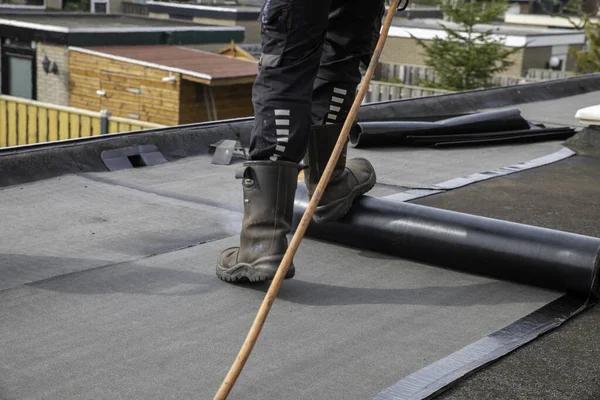
Waterproofing is a comprehensive process designed to keep water out of a structure entirely. It is crucial in areas exposed to significant water contact or pressure, such as basements, roofs, or balconies. The primary goal of waterproofing is to create an impermeable barrier that prevents any water ingress. This involves using specialized materials like membranes made from rubberized asphalt or polyvinyl chloride (PVC), coatings such as liquid-applied membranes or cementitious products, and sealants for joints and cracks.
Henrico waterproofing
The application of waterproofing systems requires meticulous attention to detail during installation because even the smallest flaw can result in leaks. Waterproofing is especially important in regions with high rainfall or where buildings are situated below the water table. It not only protects the structural integrity of a building but also helps prevent mold growth by keeping interior spaces dry.
On the other hand, damp proofing refers to measures taken primarily at ground level to resist moisture from soil entering a building’s walls and floors through capillary action. Unlike waterproofing, which aims for complete exclusion of water under hydrostatic pressure conditions, damp proofing focuses on reducing moisture absorption without necessarily making surfaces fully watertight.
Damp proof courses (DPC) are commonly used in this process; these are horizontal barriers placed within wall structures near ground level during construction to prevent rising dampness from reaching higher parts of the walls. Additionally, damp proof membranes (DPM) may be laid under concrete floors as another preventive measure against ground moisture seepage.
While both methods aim at protecting buildings from moisture-related damage—such as decay caused by rot fungi—they differ significantly regarding effectiveness levels against direct water exposure scenarios: waterproof solutions provide robust protection even when submerged underwater temporarily whereas typical DPCs/DPMs offer basic resistance suitable mainly where occasional wetting occurs rather than constant submersion type situations found around swimming pools etcetera requiring find out more intensive intervention strategies instead!
In summary: while both techniques share common goals related towards minimizing unwanted humidity impacts upon built environments alike yet remain distinct entities each serving unique roles depending circumstances faced individually whether combating persistent precipitation patterns affecting external facades versus counteracting internal condensation issues arising naturally indoors respectively thus ensuring optimal living conditions prevail throughout year-round regardless climatic fluctuations experienced locally wherever located globally speaking!
Capps Crawlspace and Construction
1953 River Rd Unit C, Henrico, NC 27842
252-308-2231