Key HVAC System Checks to Expect During a Professional Service Visit
Regular maintenance of your HVAC (Heating, Ventilation, and Air Conditioning) system is essential to ensure its efficiency, longevity, and reliable performance. When a professional technician visits for a service check, there are several key inspections and tests you can expect. Understanding these checks can help you appreciate the value of the service and allow you to ask informed questions about your system’s condition.
One of the primary checks during a professional HVAC service visit is the inspection and cleaning of air filters. Dirty or clogged filters restrict airflow, causing your system to work harder and reducing indoor air quality. The technician will typically replace or clean the filters depending on their condition and type, which helps improve efficiency and prolongs the system’s life.
Next, the professional will check the thermostat settings and calibration. Accurate thermostat operation is crucial for maintaining a consistent and comfortable indoor temperature. The technician will verify that the thermostat is functioning correctly, recalibrate it if necessary, and sometimes upgrade the software if your thermostat is a smart model.
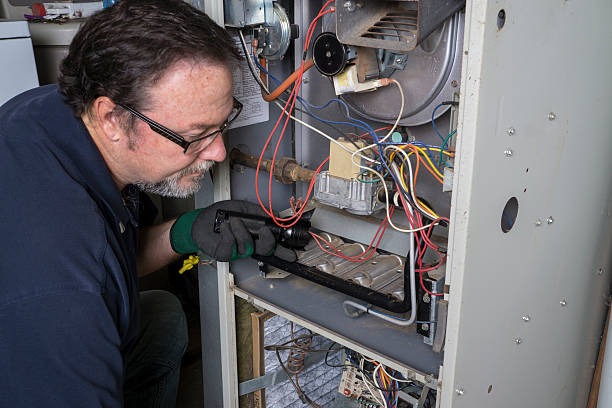
Another important aspect of the service involves inspecting the electrical components and connections. Loose or damaged wiring can lead to system malfunctions or go to website even pose safety hazards. The technician will tighten electrical connections, check capacitors, contactors, and other electrical parts to ensure everything is in good working order.
The professional will also examine the system’s refrigerant levels. Proper refrigerant charge is vital for effective cooling and heating. Low refrigerant levels could indicate leaks, which require immediate attention. The technician will measure the pressure and adjust the refrigerant charge accordingly to optimize performance.
Cleaning the evaporator and condenser coils is another critical task. Over time, these coils can accumulate dirt and debris, reducing heat transfer efficiency. The technician will clean the coils carefully to ensure optimal heat exchange, which improves overall system efficiency and reduces energy consumption.
Additionally, the technician will inspect the blower assembly, including the motor and fan, to ensure proper operation. A malfunctioning blower can reduce airflow and increase energy costs. Adjustments or repairs may be made to keep airflow at optimal levels.
Lastly, the professional will check the drainage system to prevent water damage and mold growth. The condensate drain line should be clear of blockages, and the drain pan should be clean and intact. Proper drainage helps maintain indoor air quality and prevents system damage.
In summary, a professional HVAC service visit involves a comprehensive set of checks, including filter inspection, thermostat calibration, electrical component testing, refrigerant level assessment, coil cleaning, blower inspection, and drainage system evaluation. These steps are crucial for maintaining system efficiency, preventing unexpected breakdowns, and ensuring a comfortable indoor environment year-round.