Seasonal Checklist for Solar Installation and maintenance
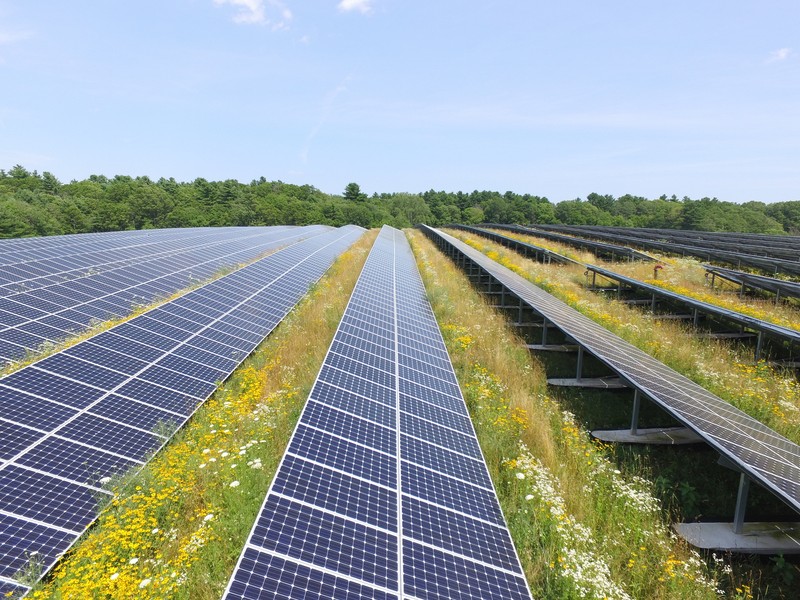
Proper seasonal maintenance and preparation are essential to maximize the efficiency and longevity of solar panel installations. As weather conditions change throughout the year, different tasks become necessary to ensure that solar systems operate at their best. In spring, it is important to inspect panels for any damage caused by winter storms or accumulated debris such as leaves, dirt, or snow residue. Cleaning the panels gently with water and a soft brush can help restore optimal light absorption without scratching the surface. Checking for loose wiring connections and ensuring that mounting hardware remains secure is also advisable during this season when temperatures start rising.
Summer demands attention to potential overheating issues since high temperatures can reduce solar panel efficiency. Monitoring system performance regularly helps identify any drops in energy output that might indicate shading from growing vegetation or dust buildup on panels. Trimming nearby trees or bushes prevents shadows from obstructing sunlight exposure. Additionally, verifying that inverter units have proper ventilation is crucial because excessive heat can impair their function. During this period, homeowners should also review their energy consumption patterns to match peak production times more effectively.
As autumn approaches, preparing luxury resort wear for men falling leaves becomes a priority because organic matter accumulating on panels blocks sunlight and encourages moisture retention leading to corrosion risks over time. Clearing gutters around the installation site ensures rainwater flows away properly without pooling near electrical components. It’s beneficial to perform a thorough inspection of all system parts before colder months arrive; identifying wear signs early prevents costly repairs later on.
Winter presents unique challenges due to snow accumulation and shorter daylight hours which naturally reduce power generation capacity. Removing heavy snow layers carefully prevents undue stress on panel frames while avoiding damage from sharp tools or abrasive materials used in cleaning processes is critical at this time of year. Ensuring that batteries in off-grid systems remain charged despite lower input levels maintains backup power availability during cloudy days or storms.
Throughout all seasons, monitoring software updates provided by manufacturers enhances system reliability by addressing bugs or improving performance algorithms automatically if connected online. Scheduling professional inspections annually supplements routine checks done by users themselves; experts can detect subtle issues not visible during casual observation.
In conclusion, adapting solar installation maintenance according to seasonal variations safeguards investment value while optimizing renewable energy benefits year-round through consistent care tailored specifically for changing environmental conditions.