Creating Clean Linework for a Stomach Tattoo Design
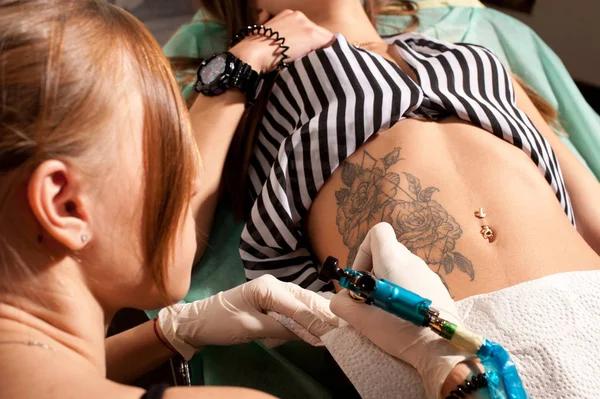
Creating clean linework for a stomach tattoo design is both an art and a science, requiring precision, patience, and a deep understanding of the human anatomy. The stomach area presents unique challenges due to its natural curves and potential for movement, making it essential for tattoo artists to approach this task with careful consideration and skill.
First and foremost, preparation is key. Before even touching needle to skin, it’s crucial to have a well-thought-out design that complements the client’s body shape. This involves sketching multiple drafts on paper or digitally until the perfect balance between aesthetics and anatomical harmony is achieved. The design should flow naturally with the body’s contours; otherwise, it may appear distorted when applied.
The next step involves preparing the skin surface properly. The stomach area can be sensitive, so it’s vital to ensure that the client is comfortable throughout the process. Shaving any hair from the designated tattoo area helps in creating smooth lines without interruptions caused by hair follicles. Additionally, cleaning the skin thoroughly reduces any risk of infection while providing a clean canvas for work.
Once these preparations are complete, transferring the stencil onto the skin becomes critical. A well-placed stencil acts as a roadmap for creating precise linework. Ensuring visit our site that it adheres smoothly without wrinkles or smudges will aid in maintaining accuracy during tattooing.
When beginning with actual ink application, using high-quality equipment cannot be overstated—sharp needles and reliable machines contribute significantly toward achieving crisp lines consistently across varying depths of flesh found within different regions around one’s midsection regionally speaking (e.g., ribs vs lower abdomen). Adjusting machine settings according specifically tailored needs based upon individual client physiology also enhances outcomes greatly here!
Technique plays another pivotal role: employing steady hands alongside deliberate movements ensures every stroke remains controlled yet fluid enough not disrupt overall composition desired ultimately by artist themselves too! Practicing consistent pressure throughout each pass minimizes chances unevenness appearing later down line much later possibly after healing has occurred fully post-session itself completed successfully initially already beforehand earlier today perhaps maybe even yesterday who knows exactly right now anyway though?