Transformer Blast Wall Benefits for Power Generation and Distribution Sites
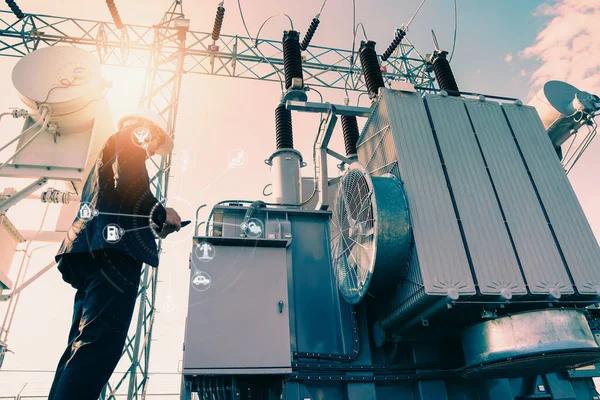
Transformer blast walls are critical components in power generation and distribution sites, offering a multitude of benefits that enhance safety, operational efficiency, and environmental protection. These specialized structures are designed to withstand the immense energy released during transformer failures or explosions, thereby safeguarding both human life and infrastructure.
One of the primary advantages of transformer blast walls is their ability to contain explosive forces. Transformers can fail due to various reasons such as electrical faults, mechanical issues, or thermal overloads. When such failures occur, they can lead to catastrophic explosions with significant force. Blast walls act as barriers that absorb and deflect this energy away from critical areas and personnel. By doing so, they minimize the risk of injury or death among workers and prevent damage to nearby equipment.
In addition to protecting human life and physical assets, transformer blast walls play a crucial role in maintaining operational continuity at power generation and distribution facilities. A transformer explosion can lead to extended downtime if it damages essential infrastructure or creates hazardous conditions that require extensive cleanup efforts. Blast walls help isolate the effects of an explosion, allowing other parts of the facility to continue operating without interruption. This ensures a reliable supply of visit our website electricity to consumers while reducing financial losses associated with unscheduled outages.
Environmental protection is another significant benefit offered by transformer blast walls. Transformer oils used for cooling contain polychlorinated biphenyls (PCBs) or other potentially harmful substances that pose environmental risks if released uncontrollably during an explosion. Blast walls help contain these materials within designated areas until they can be safely cleaned up by specialized crews following strict regulatory guidelines.
Moreover, incorporating blast wall systems into site designs often results in compliance with industry regulations and standards aimed at ensuring safety across power sector operations globally. Many jurisdictions mandate specific protective measures around high-risk installations like transformers—implementing robust barrier solutions not only meets these requirements but also demonstrates a proactive approach towards risk management.
The design flexibility offered by modern construction technologies allows for custom-built solutions tailored specifically for each site’s unique needs—from height adjustments based on proximity concerns between transformers themselves down through aesthetic considerations blending seamlessly into existing landscapes without compromising functionality whatsoever!
Overall investment costs associated might seem substantial initially; however long-term savings derived from reduced insurance premiums alongside diminished liabilities make them worthwhile endeavors indeed! In conclusion: integrating advanced protective measures like properly engineered installed correctly maintained over time remains pivotal achieving optimal performance levels within today’s ever-evolving landscape where safety reliability paramount importance ensuring continued success throughout entire lifecycle involved projects alike!